GSMA says Africa has 64% mobile internet usage gap despite 92% network coverage
N
Nairametrics
Reported by Samson Akintaro
Sat, 21 Nov 2026, 08:37
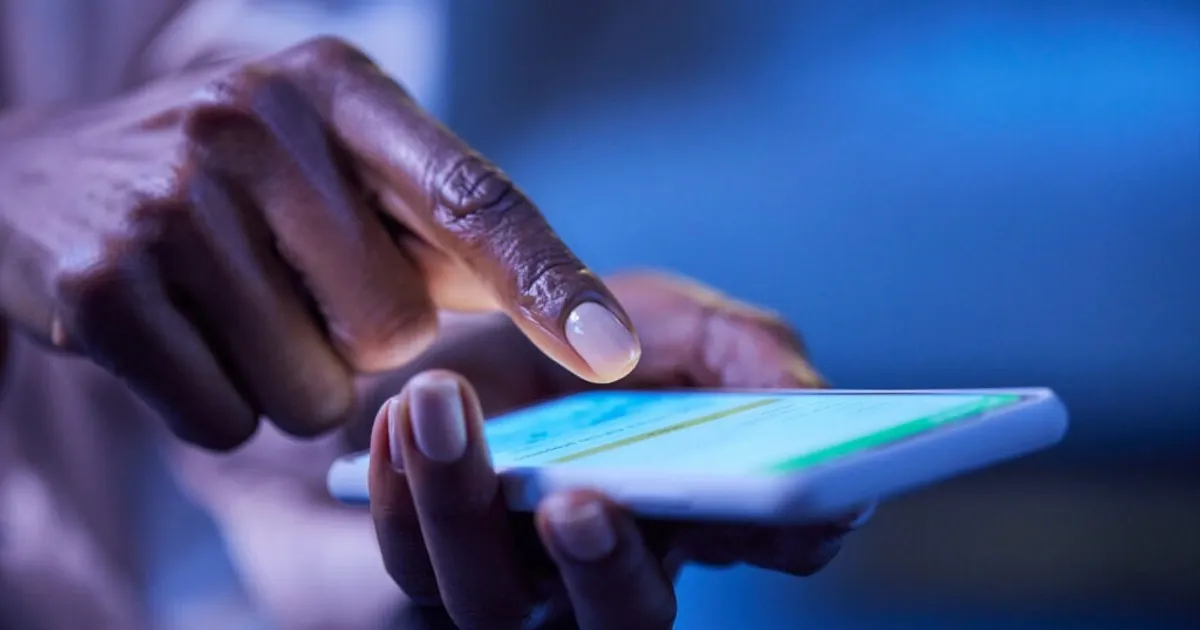
Photo courtesy of Nairametrics · Verified via News Stand NG
Source Attribution: Nairametrics
News Stand NG operates under ethical news aggregation guidelines. Source: Nairametrics. To read the unabridged investigative reporting and full gallery, visit the original publication.
Africa has a 64% mobile internet usage gap despite mobile broadband networks covering 92% of the continent’s population, as high smartphone costs, limited digital skills and inadequate access to relevant local content continue to prevent millions of people from using the internet. The finding is contained in the GSMA’s Digital Africa Index 2026, launched on November 18 at the GSMA Digital Africa Summit in Cape Town, South Africa.
Context & Background
✦The report highlights the disconnect between expanding telecommunications infrastructure and actual internet adoption across the continent.
Key Figures & Named Entities
64%:Africa has a 64% mobile internet usage gap despite mobile broadband networks covering 92% of the continent’s population, as high smartphone costs, limited digital skills and inadequate access to relevant local content continue to prevent millions of people from using the internet.2026:The finding is contained in the GSMA’s Digital Africa Index 2026, launched on November 18 at the GSMA Digital Africa Summit in Cape Town, South Africa.28%:According to the report, only 28% of Africa’s population uses mobile internet on their own devices, despite widespread network availability, making the continent the region with the largest mobile internet usage gap globally.
Outlook & Next Steps
Follow original publisher reporting for subsequent developments, official responses, and verified updates.
Key Takeaways
Verified Extract
✦Africa has a 64% mobile internet usage gap despite mobile broadband networks covering 92% of the continent’s population, as high smartphone costs, limited digital skills and inadequate access to relevant local content continue to prevent millions of people from using the internet.
✦The finding is contained in the GSMA’s Digital Africa Index 2026, launched on November 18 at the GSMA Digital Africa Summit in Cape Town, South Africa.
✦The report highlights the disconnect between expanding telecommunications infrastructure and actual internet adoption across the continent.
Key Facts:64%: Africa has a 64% mobile internet usage gap despite mobile broadband networks covering 92% of the continent’s population, as high smartphone costs, limited digital skills and inadequate access to relevant local content continue to prevent millions of people from using the internet.2026: The finding is contained in the GSMA’s Digital Africa Index 2026, launched on November 18 at the GSMA Digital Africa Summit in Cape Town, South Africa.28%: According to the report, only 28% of Africa’s population uses mobile internet on their own devices, despite widespread network availability, making the continent the region with the largest mobile internet usage gap globally.
Editorial Excerpt
Africa has a 64% mobile internet usage gap despite mobile broadband networks covering 92% of the continent’s population, as high smartphone costs, limited digital skills and inadequate access to relevant local content continue to prevent millions of people from using the internet.
Frequently Asked Questions About This Story
What is the latest development regarding Lagos State?
Africa has a 64% mobile internet usage gap despite mobile broadband networks covering 92% of the continent’s population, as high smartphone costs, limited digital skills and inadequate access to relevant local content continue to prevent millions of people from using the internet.
Who are the key organizations or public figures mentioned?
The primary parties identified in this coverage include Lagos State.
What timeline or key figures were confirmed?
Africa has a 64% mobile internet usage gap despite mobile broadband networks covering 92% of the continent’s population, as high smartphone costs, limited digital skills and inadequate access to relevant local content continue to prevent millions of people from using the internet.