Photo courtesy of Daily Post Nigeria · Verified via News Stand NG
Source Attribution: Daily Post Nigeria
News Stand NG operates under ethical news aggregation guidelines. Source: Daily Post Nigeria. To read the unabridged investigative reporting and full gallery, visit the original publication.
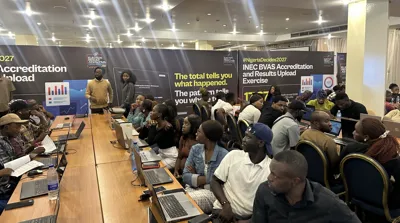
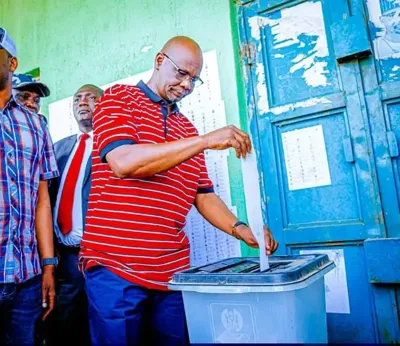
The Independent National Electoral Commission, INEC, has reported significant improvement in fingerprint accreditation using its Bimodal Voter Accreditation System, BVAS, following a nationwide mock accreditation and voting exercise conducted ahead of the 2027 general elections.INEC Chairman, Prof. Joash Amupitan, said the improvement addressed one of the major challenges encountered with the accreditation technology during previous elections.Amupitan disclosed this on Saturday while monitoring the exercise at several polling units in Jos, Plateau State.The mock exercise was conducted simultaneously in 17,676 polling units across the country to test the functionality of the BVAS, electronic transmission of results and the Commission's level of preparedness for the 2027 general elections.Describing the exercise as impressive, the INEC chairman said it provided an opportunity to identify operational gaps and address potential challenges before the actual elections."The exercise has been impressive. This exercise is to test-run our BVAS, to test how ready we are for the 2027 election.
Context & Background
✦Today, there is a huge improvement in BVAS accreditation with fingerprints, which has been an issue in previous elections," he said.He added that the exercise was specifically designed to identify weaknesses in the electoral process and assess areas requiring further improvements."The essence of this accreditation is to look out for where there are gaps and assess the challenges," Amupitan stated.On preparations for inclusive elections, the INEC chairman said the Commission had made provisions for persons with disabilities through voter disaggregation and the deployment of assistive materials to polling units where they had been identified.He also disclosed that locations hosting internally displaced persons, IDPs, had been identified, with arrangements being made to provide adequate security and prevent intimidation or harassment of voters."For physically challenged persons, we have done disaggregation and provided assistive materials for polling units where we identified them.
Key Figures & Named Entities
2027:The Independent National Electoral Commission, INEC, has reported significant improvement in fingerprint accreditation using its Bimodal Voter Accreditation System, BVAS, following a nationwide mock accreditation and voting exercise conducted ahead of the 2027 general elections.INEC Chairman, Prof. Joash Amupitan, said the improvement addressed one of the major challenges encountered with the accreditation technology during previous elections.Amupitan disclosed this on Saturday while monitoring the exercise at several polling units in Jos, Plateau State.The mock exercise was conducted simultaneously in 17,676 polling units across the country to test the functionality of the BVAS, electronic transmission of results and the Commission's level of preparedness for the 2027 general elections.Describing the exercise as impressive, the INEC chairman said it provided an opportunity to identify operational gaps and address potential challenges before the actual elections."The exercise has been impressive.2027:This exercise is to test-run our BVAS, to test how ready we are for the 2027 election.Today:Today, there is a huge improvement in BVAS accreditation with fingerprints, which has been an issue in previous elections," he said.He added that the exercise was specifically designed to identify weaknesses in the electoral process and assess areas requiring further improvements."The essence of this accreditation is to look out for where there are gaps and assess the challenges," Amupitan stated.On preparations for inclusive elections, the INEC chairman said the Commission had made provisions for persons with disabilities through voter disaggregation and the deployment of assistive materials to polling units where they had been identified.He also disclosed that locations hosting internally displaced persons, IDPs, had been identified, with arrangements being made to provide adequate security and prevent intimidation or harassment of voters."For physically challenged persons, we have done disaggregation and provided assistive materials for polling units where we identified them.
Outlook & Next Steps
Follow original publisher reporting for subsequent developments, official responses, and verified updates.
Key Takeaways
Verified Extract
✦The Independent National Electoral Commission, INEC, has reported significant improvement in fingerprint accreditation using its Bimodal Voter Accreditation System, BVAS, following a nationwide mock accreditation and voting exercise conducted ahead of the 2027 general elections.INEC Chairman, Prof. Joash Amupitan, said the improvement addressed one of the major challenges encountered with the accreditation technology during previous elections.Amupitan disclosed this on Saturday while monitoring the exercise at several polling units in Jos, Plateau State.The mock exercise was conducted simultaneously in 17,676 polling units across the country to test the functionality of the BVAS, electronic transmission of results and the Commission's level of preparedness for the 2027 general elections.Describing the exercise as impressive, the INEC chairman said it provided an opportunity to identify operational gaps and address potential challenges before the actual elections."The exercise has been impressive.
✦This exercise is to test-run our BVAS, to test how ready we are for the 2027 election.
✦Today, there is a huge improvement in BVAS accreditation with fingerprints, which has been an issue in previous elections," he said.He added that the exercise was specifically designed to identify weaknesses in the electoral process and assess areas requiring further improvements."The essence of this accreditation is to look out for where there are gaps and assess the challenges," Amupitan stated.On preparations for inclusive elections, the INEC chairman said the Commission had made provisions for persons with disabilities through voter disaggregation and the deployment of assistive materials to polling units where they had been identified.He also disclosed that locations hosting internally displaced persons, IDPs, had been identified, with arrangements being made to provide adequate security and prevent intimidation or harassment of voters."For physically challenged persons, we have done disaggregation and provided assistive materials for polling units where we identified them.
Key Facts:2027: The Independent National Electoral Commission, INEC, has reported significant improvement in fingerprint accreditation using its Bimodal Voter Accreditation System, BVAS, following a nationwide mock accreditation and voting exercise conducted ahead of the 2027 general elections.INEC Chairman, Prof. Joash Amupitan, said the improvement addressed one of the major challenges encountered with the accreditation technology during previous elections.Amupitan disclosed this on Saturday while monitoring the exercise at several polling units in Jos, Plateau State.The mock exercise was conducted simultaneously in 17,676 polling units across the country to test the functionality of the BVAS, electronic transmission of results and the Commission's level of preparedness for the 2027 general elections.Describing the exercise as impressive, the INEC chairman said it provided an opportunity to identify operational gaps and address potential challenges before the actual elections."The exercise has been impressive.2027: This exercise is to test-run our BVAS, to test how ready we are for the 2027 election.Today: Today, there is a huge improvement in BVAS accreditation with fingerprints, which has been an issue in previous elections," he said.He added that the exercise was specifically designed to identify weaknesses in the electoral process and assess areas requiring further improvements."The essence of this accreditation is to look out for where there are gaps and assess the challenges," Amupitan stated.On preparations for inclusive elections, the INEC chairman said the Commission had made provisions for persons with disabilities through voter disaggregation and the deployment of assistive materials to polling units where they had been identified.He also disclosed that locations hosting internally displaced persons, IDPs, had been identified, with arrangements being made to provide adequate security and prevent intimidation or harassment of voters."For physically challenged persons, we have done disaggregation and provided assistive materials for polling units where we identified them.
Editorial Excerpt
The Independent National Electoral Commission, INEC, has reported significant improvement in fingerprint accreditation using its Bimodal Voter Accreditation System, BVAS, following a nationwide mock accreditation and voting exercise conducted ahead of the 2027 general elections.INEC Chairman, Prof.
Frequently Asked Questions About This Story
What is the latest development regarding Independent National Electoral Commission?
The Independent National Electoral Commission, INEC, has reported significant improvement in fingerprint accreditation using its Bimodal Voter Accreditation System, BVAS, following a nationwide mock accreditation and voting exercise conducted ahead of the 2027 general elections.INEC Chairman, Prof. Joash Amupitan, said the improvement addressed one of the major challenges encountered with the accreditation technology during previous elections.Amupitan disclosed this on Saturday while monitoring the exercise at several polling units in Jos, Plateau State.The mock exercise was conducted simultaneously in 17,676 polling units across the country to test the functionality of the BVAS, electronic transmission of results and the Commission's level of preparedness for the 2027 general elections.Describing the exercise as impressive, the INEC chairman said it provided an opportunity to identify operational gaps and address potential challenges before the actual elections."The exercise has been impressive.
Who are the key organizations or public figures mentioned?
The primary parties identified in this coverage include Independent National Electoral Commission, Nigeria Police Force, Plateau State.
What timeline or key figures were confirmed?
The Independent National Electoral Commission, INEC, has reported significant improvement in fingerprint accreditation using its Bimodal Voter Accreditation System, BVAS, following a nationwide mock accreditation and voting exercise conducted ahead of the 2027 general elections.INEC Chairman, Prof. Joash Amupitan, said the improvement addressed one of the major challenges encountered with the accreditation technology during previous elections.Amupitan disclosed this on Saturday while monitoring the exercise at several polling units in Jos, Plateau State.The mock exercise was conducted simultaneously in 17,676 polling units across the country to test the functionality of the BVAS, electronic transmission of results and the Commission's level of preparedness for the 2027 general elections.Describing the exercise as impressive, the INEC chairman said it provided an opportunity to identify operational gaps and address potential challenges before the actual elections."The exercise has been impressive.